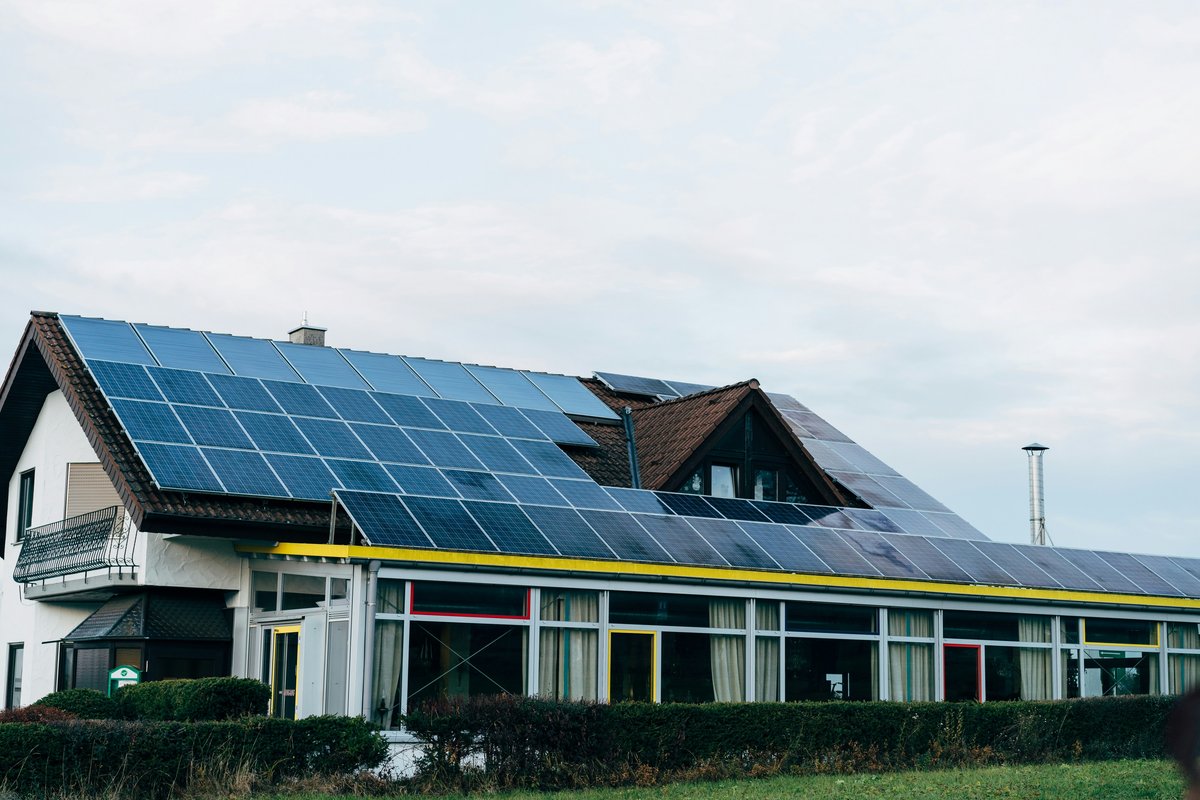
The hum of a reliable solar generator can feel like a symphony, a promise of power whether you’re deep in the wilderness, weathering a storm, or simply reducing your reliance on the grid. But just like any finely tuned instrument, your solar generator performs its best when it's understood, respected, and cared for. This guide is your backstage pass to Maximizing Your Solar Generator: Setup, Usage & Maintenance Tips, ensuring it serves you faithfully for years to come.
Forget just "getting by" with your solar setup; we're here to help you truly thrive. From meticulous initial placement to clever daily habits and essential upkeep, mastering these elements doesn't just extend your generator's life—it unlocks its full potential, transforming it into the dependable power partner you deserve.
At a Glance: Your Solar Generator Journey
- Understanding the Basics: Know your panels, inverter, and battery to leverage their strengths.
- Location is Key: Choose a spot that maximizes sun exposure, ensures ventilation, and simplifies access.
- Safety First: Proper grounding, certified gear, and professional installation are non-negotiable.
- Cleanliness Counts: Regular panel and unit cleaning prevents efficiency loss and damage.
- Manage Heat & Moisture: Keep your generator cool and dry to protect sensitive components.
- Battery TLC: Inspect, cycle, and clean your batteries for optimal performance and lifespan.
- Monitor & Log: Track performance to catch issues early and optimize output.
- Store Smart: Keep it cool, dry, and partially charged for long-term health.
- Plan for Tomorrow: Understand troubleshooting, upgrades, and responsible end-of-life options.
The Heart of Your Off-Grid Power: Understanding Your Solar Generator
Before we dive into maximizing its potential, let's briefly demystify what's powering your world. At its core, a solar generator is a self-contained power plant designed to capture, convert, store, and deliver electricity from the sun.
Think of it as a three-part system working in harmony:
- Photovoltaic (PV) Panels: These are the solar "collectors" that turn sunlight directly into DC (Direct Current) electricity.
- Inverter: Your household appliances run on AC (Alternating Current). The inverter is the crucial bridge, converting the DC power from your panels (or battery) into usable AC power.
- Battery: This is your energy bank, storing the DC electricity generated by the panels for use when the sun isn't shining—like at night or on cloudy days.
Some advanced systems also include sophisticated monitoring tools, allowing you to track energy flow in real-time.
You'll typically encounter two main types:
- Portable Generators: These are the compact, often suitcase-sized units perfect for camping, RVs, tailgating, or powering a remote workstation. They're designed for easy transport and generally have lower power capacities (measured in watt-hours or Wh), ideal for temporary, mobile needs.
- Stationary Generators: These larger, fixed installations are built to serve as robust backup power for homes, cabins, or businesses. They boast significantly larger energy storage capacities, requiring more involved installation but offering dependable, long-term power security.
The type of battery within your generator also plays a big role. Lithium-ion batteries are popular for their efficiency, lighter weight, and longer lifespan, while lead-acid batteries offer a more affordable entry point, though they typically require more maintenance. Knowing what you have helps tailor your maintenance approach.
Laying the Foundation: Smart Setup for Peak Performance
A powerful solar generator is only as good as its setup. Skimping here can lead to frustrating inefficiencies, reduced lifespan, and even safety hazards. Let's get it right from day one.
Choosing the Perfect Perch for Your Panels
The sun is your fuel, so getting maximum exposure is paramount. For solar panels, choose a location that is:
- Stable and Well-Drained: Avoid soft ground where panels could shift or areas prone to puddling. Water runoff should naturally drain away from the equipment.
- Free from Obstructions: Ensure no trees, buildings, or other structures cast shadows on your panels throughout the day. Even a small shadow can drastically reduce output.
- Ventilation-Friendly: Solar panels, like the generator unit itself, can get warm. Ample open space around them helps dissipate heat, preventing efficiency losses.
- Accessible for Maintenance: You'll need to clean these panels regularly, so make sure you can reach them safely and easily.
For the generator unit itself, prioritize a cool, well-ventilated space, ideally out of direct sunlight. Overheating is a silent killer for electronics and batteries.
Configuring Your System: The Right Way to Connect
Once your location is set, it's time to connect the dots.
- Panel Alignment: If you have adjustable panels, angle them to directly face the sun at its highest point in the sky for maximum energy harvest. In the Northern Hemisphere, this usually means a south-facing orientation. Consider seasonal adjustments if your system allows.
- Wiring and Secure Connections: Loose wires are not just inefficient; they're dangerous. Ensure all cables are correctly sized for the load, properly insulated, and securely fastened. Use high-quality connectors designed for outdoor use and solar applications. Check that all terminals are tight to manufacturer specifications—a torque wrench can be invaluable here—to prevent energy loss from resistance.
Navigating the Red Tape: Permits and Regulations
For larger, stationary solar generator setups, don't skip this crucial step. Local regulations and permits are often required, especially if your system is grid-tied or involves significant structural changes. Check with your local city, county, or homeowner's association before installation. Ignoring these can lead to fines, forced removal, or insurance issues.
Non-Negotiable Safety Measures
Safety isn't a suggestion; it's a requirement.
- Certified Equipment: Always use high-quality, certified equipment from reputable manufacturers. Look for certifications like UL (Underwriters Laboratories).
- Proper Grounding: All electrical components, including panels and the generator unit, must be properly grounded to protect against electrical surges and shocks. If you're unsure, consult an electrician.
- Professional Installation: For complex or stationary systems, hiring a qualified technician for installation is highly recommended. They ensure compliance with electrical codes and optimal performance.
- Surge Protection: Install surge protectors to safeguard your valuable equipment from lightning strikes and grid fluctuations.
- Emergency Preparedness: Keep a fire extinguisher (rated for electrical fires) nearby and establish clear emergency protocols for your household, including how to safely shut down the system.
- Regular Inspections: Even after professional installation, periodic checks for wear and tear, especially on wiring and connections, are crucial.
Living with the Sun: Daily Usage Best Practices
Once your solar generator is set up, smart daily habits ensure you get the most out of every ray of sunshine.
Optimizing Daily Panel Angles (If Applicable)
If your solar panels are portable or feature adjustable mounts, take a few minutes each morning to angle them directly towards the sun. As the sun moves across the sky, a slight adjustment every few hours can significantly boost your energy yield, especially during shorter winter days. Think of it like turning a sunflower to face the light.
Connecting and Managing Your Devices
- Prioritize Wisely: Understand your generator's capacity (Wh) and power output (Watts). High-demand appliances (like microwaves or hair dryers) can quickly drain your battery. Prioritize essential devices and use high-draw items sparingly.
- Stagger Usage: Don't plug in all your major appliances at once. Staggering their use prevents overloading your inverter and ensures more consistent power delivery.
- Use Efficient Appliances: Whenever possible, opt for energy-efficient LED lighting, Energy Star-rated appliances, and charge devices directly via USB ports if available to bypass the inverter for lower-draw items.
- Monitor Load: If your generator has a display, keep an eye on the power draw (in Watts) and battery level. This helps you understand your consumption patterns and avoid unexpected shutdowns.
Avoiding Common Usage Pitfalls
- Don't Overload: Exceeding your generator's rated power output can trip its safety features, or worse, damage the inverter. Always check the wattage of your devices before plugging them in.
- Mind the Weather: While many generators are designed for outdoor use, extreme weather like heavy rain, snow, or high winds can impact performance and safety. Bring portable units indoors during severe weather or ensure stationary units are adequately protected.
- Avoid Deep Discharges (Generally): For most battery types, regularly draining the battery to 0% can shorten its lifespan. Try to keep your battery above 20-30% charge whenever possible. Some advanced best solar power generators have battery management systems that prevent deep discharge.
Guardian of Your Power: Proactive Maintenance for Longevity
Consistent maintenance isn't a chore; it's an investment in your solar generator's long, efficient life. Neglecting it leads to diminished performance, costly repairs, and a shortened lifespan. A solar generator's typical lifespan ranges from 5 to 15 years, and proper maintenance is the biggest factor in hitting the higher end of that range.
Keep It Clean: Panels and Unit
- Solar Panels: Dirt, dust, pollen, and bird droppings act like tiny shutters, blocking sunlight and reducing efficiency.
- Routine Cleaning: Every few months, or more frequently in dusty or pollen-heavy environments, gently remove debris with a soft-bristled brush or a microfiber cloth.
- Stubborn Stains: For tougher grime, use a mild soap solution (e.g., dish soap diluted in water) and rinse thoroughly with clean water. A squeegee can help prevent water spots.
- What to Avoid: Never use abrasive materials, harsh chemicals, or pressure washers, as these can scratch or damage the panel's surface. Also, avoid stepping on your panels.
- Generator Unit: Wipe down the exterior of the generator unit with a static-free microfiber cloth. For a deeper clean, a slightly dampened cloth (avoiding excess moisture) can be used. During cleaning, inspect for any visible damage or wear.
Beat the Heat: Critical for Electronics
Heat is the enemy of electronics and batteries.
- Cool, Ventilated Placement: Always operate your generator in a cool, well-ventilated area. Avoid direct sunlight, enclosed spaces, or placing it near heat sources.
- Check Cooling Fans: Ensure any integrated cooling fans are functioning properly and free from dust buildup. If operating in consistently hot environments, consider an additional external fan for air circulation.
Fight the Moisture: Keep It Dry
Water and electronics don't mix.
- Stay Dry: Keep your generator as dry as possible. Avoid exposure to rain, heavy dew, or high humidity environments.
- Prompt Drying: If moisture does accumulate (e.g., from condensation), ensure the unit is completely dry before storage or continued use.
- Water-Resistant Covers: For outdoor storage or transport, invest in a high-quality water-resistant cover or case.
Battery TLC: The Heartbeat of Your System
The battery is often the most expensive component to replace, so proper care is paramount. Keeping a solar generator plugged in constantly depends on the specific model; some are designed for continuous charging, while others can suffer from overcharging. Always check your manufacturer's guidelines.
- Regular Inspection: Periodically check your batteries for any signs of damage, leaks, or corrosion. Keep terminals clean and dry.
- Optimal Storage: Store batteries in a cool, well-ventilated area, away from direct sunlight and extreme temperatures.
- Charging/Discharging Cycles: Follow your manufacturer's guidelines for charging and discharging.
- Cycle Maintenance: Every six months, perform a partial discharge cycle: use about a quarter of the battery's capacity, then recharge it to 50-75% for storage. This helps maintain battery health.
- Terminal Cleaning: If you notice corrosion on battery terminals (often a white or blue powdery substance), clean it off. A paste made from baking soda and water works wonders; apply, let it sit, then scrub with a wire brush and rinse with clean water. Ensure terminals are completely dry afterward.
- Balance the Charge: For multi-cell batteries, periodically perform a full charge and discharge cycle (within manufacturer recommendations) to help balance the charge across all cells.
Connection Check-Up: Ensuring Power Flow
Loose or corroded connections can lead to energy loss, overheating, and even fire hazards.
- Inspect All Connections: Regularly inspect all cables, plugs, and terminals for signs of wear, fraying, corrosion, or looseness.
- Tighten Securely: Tighten any loose connections to manufacturer specifications. If you have a torque wrench, use it to ensure proper tightness without overtightening.
- Dielectric Grease: Apply a thin layer of dielectric grease to exposed metal connections to prevent corrosion and improve conductivity.
- Replace as Needed: Promptly replace any damaged or excessively worn cables or plugs.
The Data Dive: Performance Monitoring
Don't guess; know. Monitoring your system's performance helps you catch issues early and optimize output.
- Digital Multimeter: Use a digital multimeter to periodically check the voltage and current output of your solar panels, batteries, and inverter. This provides a baseline for healthy operation.
- Monitoring Systems/Apps: Many modern solar generators come with integrated monitoring systems or companion apps that provide real-time data on energy generation, consumption, and battery status. Utilize these tools!
- Performance Log: Keep a simple log of your system's performance, noting daily energy output, battery levels, and any environmental factors (e.g., cloudy days). Tracking changes helps you identify noticeable drops in efficiency, signaling a potential problem.
When Things Go Sideways: Troubleshooting Common Hiccups
Even with the best maintenance, issues can arise. Knowing how to diagnose basic problems can save you time and money. Durability factors like exposure to extreme temperatures, excessive dust, and improper storage directly impact your generator's lifespan; regular maintenance mitigates these effects.
Inverter Malfunction: The AC Converter
If your AC outlets aren't working, but your DC components seem fine, your inverter might be the culprit.
- Check Connections: First, ensure all connections to and from the inverter are secure and undamaged.
- Clean Vents: Overheating is a common cause of inverter issues. Check that the inverter's cooling vents are clean and unobstructed.
- Consult Manual: Refer to your generator’s manual for specific error codes or troubleshooting steps.
- Professional Help: If the inverter appears internally damaged or you can't resolve the issue, it’s best to seek professional help. Inverters are complex electrical components.
Charge Controller Failures: Managing the Flow
The charge controller regulates the power flowing from your panels to your battery, preventing overcharging.
- Error Codes: Inspect the charge controller's display for any error codes.
- Reset/Fuses: For minor issues, a simple reset of the controller or replacing a blown fuse (if applicable) might solve the problem.
- Connection Check: Verify all connections between the charge controller and both the solar panels and the battery are tight and corrosion-free.
- Persistent Issues: If the problem persists, a professional technician can diagnose and replace a faulty charge controller.
Battery Performance Issues: Declining Power
If your battery isn't holding a charge or providing enough power, it's time for a closer look.
- Corrosion Check: Inspect battery terminals for corrosion and clean them as described in the maintenance section.
- Monitor Charge Levels: Ensure you're not consistently over-discharging the battery.
- Balance Charge: Regularly balancing the charge by performing full (but not excessive) charge-discharge cycles can help.
- Age and Degradation: Batteries degrade over time. If your battery is old and consistently underperforming despite maintenance, it might be time for a replacement.
Beyond the Basics: Advanced Optimization & Professional Care
Once you've mastered the fundamentals, you can push your solar generator's performance even further and ensure it remains in top shape for its entire lifespan.
Continuous Optimization Through Data
- Tracking Tools: Leverage any available apps or dedicated monitoring systems to consistently track real-time energy generation, consumption, and battery health. Understanding these patterns allows you to make informed decisions about usage and identify potential inefficiencies early.
- Software Updates: Just like your phone, your solar generator's internal software (firmware) might receive updates. Manufacturers release these for bug fixes, performance improvements, and sometimes even new features. Make sure your system's software is always up-to-date, following manufacturer instructions.
Considering Hardware Upgrades
As technology evolves, so do opportunities to enhance your system.
- More Efficient Inverters: Upgrading to a more efficient inverter can reduce energy loss during DC-to-AC conversion, meaning more usable power from the same amount of solar input.
- Advanced Batteries: Newer battery technologies (e.g., LFP lithium-ion) offer longer lifespans, faster charging, and greater depth of discharge, significantly improving energy storage capacity and reliability.
- Additional Panels: If your generator allows, adding more solar panels can increase your daily energy harvest, especially if your consumption needs have grown.
The Value of Professional Check-Ups
Think of it like an annual physical for your solar generator.
- Annual Inspections: Schedule an annual check-up with a qualified technician. They can perform detailed inspections of all components, conduct electrical tests, and identify potential issues that might not be visible to the untrained eye.
- Specialized Repairs: For complex electrical systems, always use certified technicians for repairs. They have the expertise and specialized tools to safely diagnose and fix problems, ensuring your system operates correctly and safely. Always ask for clear explanations of the work performed.
- Warranty Servicing: Understand the terms of your warranty. Maintain consistent maintenance records (dates, what was done, who did it) as proof of care. If an issue arises under warranty, contact authorized service providers promptly.
Resting & Roaming: Storing & Transporting Your Powerhouse
Whether it's for the off-season or your next adventure, knowing how to properly store and transport your solar generator is crucial for its longevity and safety.
Long-Term Storage Best Practices
When your generator isn't in use, put it into hibernation mode correctly.
- Cool, Dry, Dark: Store the generator in a cool, dry place away from direct sunlight and extreme temperatures. Garages, basements, or dedicated storage sheds are often ideal. Avoid areas with fluctuating temperatures, as this can stress battery components.
- Waterproof Protection: Use a waterproof cover or case, even indoors, to protect against dust and accidental spills.
- Power Down Completely: Ensure the generator is completely turned off and disconnected from all inputs/outputs before storage.
- Optimal Battery Charge: For long-term storage, maintain a battery charge of around 50%. Storing a battery at 100% or 0% for extended periods can accelerate degradation. Check the charge every few months and top it up if it drops too low.
Safe Transport Tips
Moving your generator, especially larger units, requires care.
- Secure It: Always secure the generator in your vehicle to prevent it from shifting, sliding, or tipping during transit. Use straps, bungee cords, or a custom-fit cargo area.
- Padded Protection: Use padded cases, blankets, or the original packaging to protect the unit from vibrations, impacts, and scratches.
- Mind the Temperature: Avoid exposing the generator to extreme temperatures (very hot or very cold) during transit, especially for extended periods. If possible, transport it in the passenger cabin rather than an uninsulated trunk in harsh weather.
- Disconnect Panels: If transporting with detachable solar panels, disconnect them from the main unit and secure them separately to prevent damage to connections or the panels themselves.
The Full Cycle: Responsible End-of-Lifespan Management
Eventually, all technology reaches the end of its useful life. Responsible disposal isn't just good for the planet; it's often legally required, especially for batteries.
Battery Recycling: Closing the Loop
Solar generator batteries contain valuable and sometimes hazardous materials.
- Certified Programs: Never dispose of batteries in regular household trash. Seek out certified battery recycling programs. These programs safely recover valuable materials like lithium, cobalt, and nickel, reducing the need for new mining and preventing environmental contamination.
- Safe Handling: Until recycling, ensure batteries are safely removed (if applicable) and stored in a cool, dry place, ideally in a non-conductive container, to prevent short circuits.
Solar Panel Reuse and Disposal
Solar panels have a long lifespan, but they too eventually retire.
- Assess Reuse Potential: Before disposal, consider if the panels can be reused. Refurbishing programs might take still-functional panels, or they could be repurposed for smaller, less demanding projects.
- Specialized Recycling: If not reusable, find local recycling programs that specifically handle solar panels. These programs can separate and recycle materials like aluminum frames, glass, and silicon cells. Ensure secure transport to these facilities.
Upcycling Components: Creativity for Sustainability
Don't let perfectly good components go to waste.
- Creative Repurposing: Explore upcycling opportunities for components like the aluminum frames (for DIY projects), wiring (for other electrical needs), or even the robust cases of portable generators. This promotes sustainability and reduces landfill waste.
Your Quick-Fire Questions Answered
We've covered a lot of ground, but here are some common questions distilled for quick answers:
How long does a solar generator typically last?
A solar generator's lifespan typically ranges from 5 to 15 years, heavily influenced by battery type, usage patterns, and the quality of maintenance.
Can I keep my solar generator plugged in constantly?
It depends on the specific model and manufacturer instructions. Some advanced models are designed with battery management systems that prevent overcharging and can remain plugged in. Others may suffer battery damage from continuous charging. Always check your manual.
What factors affect the durability of my solar generator?
Key factors include exposure to extreme temperatures (both hot and cold), excessive dust, and improper storage. Regular, proactive maintenance is the best defense against these effects.
Is maintenance really necessary for efficiency and longevity?
Absolutely. Consistent maintenance, including regular cleaning, detailed inspections, and timely repairs, is critical to ensure your solar generator operates at peak efficiency and achieves its maximum lifespan. It prevents small issues from becoming costly problems.
Empowering Your Off-Grid Future
Your solar generator is more than just a piece of equipment; it's a gateway to energy independence, a reliable partner for adventure, and a safeguard against the unexpected. By embracing smart setup practices, optimizing daily usage, and committing to diligent maintenance, you're not just maximizing its potential—you're securing your peace of mind.
So, go forth, generate, and enjoy the quiet, clean power of the sun, knowing you've done everything to ensure your solar generator is ready for whatever comes next.