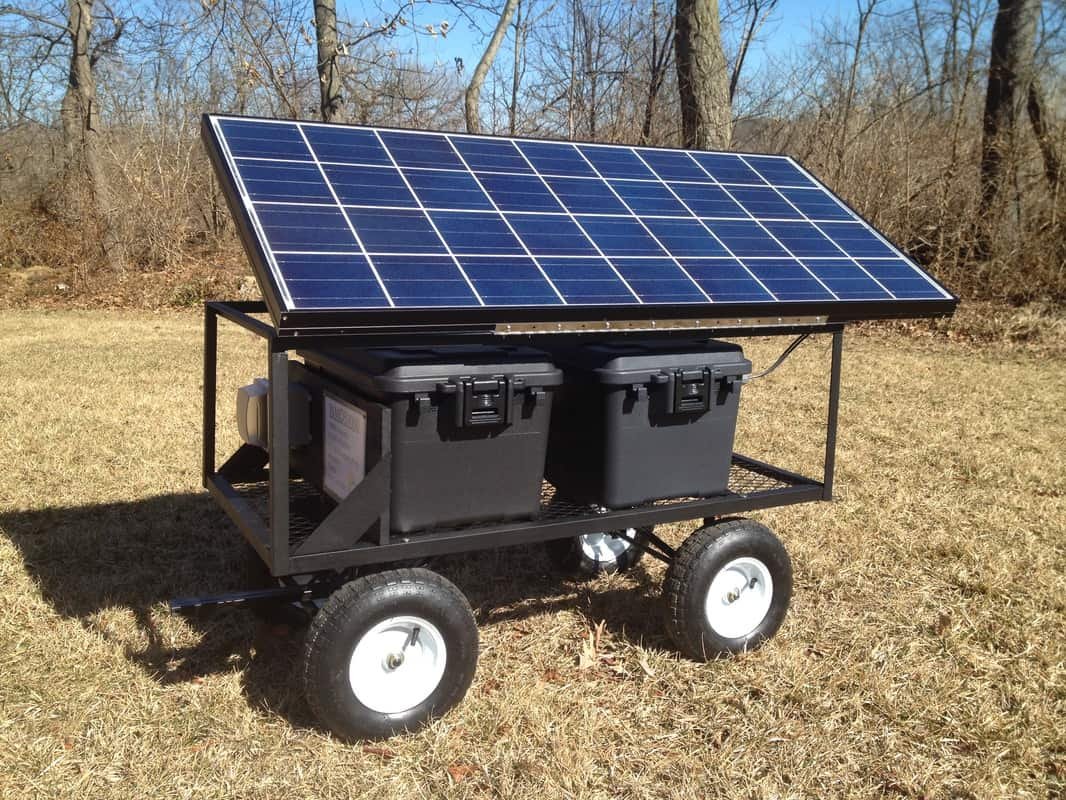
Imagine a power outage during a storm, the quiet hum of your fridge, lights still on, and your phone fully charged. Or perhaps you're deep in the wilderness, running a mini-fridge and charging camera gear without a thought for noisy, smelly gasoline. This isn't a futuristic fantasy; it's the everyday reality enabled by Top-Rated Solar Power Generators: Reviews & Comparisons. These innovative devices are changing how we think about portable and backup power, offering a clean, quiet, and eco-friendly alternative to traditional fuel-guzzling generators. They're not just for emergencies, though they excel there; they're for anyone seeking energy independence, whether at home, camping, or exploring off the grid.
In this comprehensive guide, we'll cut through the noise to help you understand what truly matters when investing in a solar power generator. We'll explore the key features that define performance and value, and then dive into detailed reviews of the industry's leading models, helping you pinpoint the perfect power companion for your unique needs.
At a Glance: Why Solar Generators Are Your Next Power Solution
- Eco-Friendly Power: Harness the sun's energy, eliminating fossil fuels, fumes, and noise.
- Safe for Indoor Use: No carbon monoxide risk means peace of mind during outages.
- Versatile Applications: Perfect for home backup, camping, RVs, tailgating, remote work, and emergency preparedness.
- Quiet Operation: Enjoy silent power, a stark contrast to loud gasoline generators.
- Increasingly Affordable: While an initial investment, prices are more accessible than ever, with long-term savings on fuel.
- Built to Last: With minimal moving parts, many units boast lifespans of 10-25+ years.
The Silent Revolution: What Exactly is a Solar Power Generator?
At its core, a solar generator, often referred to as a portable power station, is a battery-based system designed to capture energy from solar panels and store it for later use. Unlike traditional generators that burn fossil fuels, these units are quiet, emit no pollutants, and are safe to operate indoors. They convert the DC power from solar panels (or other sources like wall outlets or car chargers) into AC power, allowing you to run everything from laptops and mini-fridges to power tools and medical devices.
They're essentially large, portable batteries equipped with various output ports—AC outlets, USB ports, 12V DC car ports, and sometimes even specialized RV plugs. While they won't power your entire home's HVAC system and all major appliances simultaneously (yet!), they are increasingly capable of handling essential circuits and powering a significant portion of your daily needs during an outage or off-grid adventure. Think of them as your personal, portable power grid, ready to deploy at a moment's notice.
Decoding Your Needs: How to Choose the Right Solar Generator
Selecting the ideal solar generator isn't a one-size-fits-all decision. It hinges on understanding your specific power demands, budget, and intended use. Here's a breakdown of the critical factors to consider:
Capacity (Wh): Powering Your World
Capacity, measured in Watt-hours (Wh), tells you how much energy the generator can store. Think of it like a fuel tank: the bigger the tank, the longer it can supply power.
- Under 1,000Wh: Ideal for charging small electronics, powering CPAP machines overnight, or short camping trips.
- 1,000-1,500Wh: Great for multi-day road trips, small RVs, or powering a few essential home appliances during a shorter outage.
- 1,500Wh+: Suited for home backup, worksite use with power tools, or extended off-grid living, especially if expandable.
How to calculate your needs: List the devices you plan to power, find their wattage (W), and estimate how many hours you'll run them. Multiply wattage by hours to get Watt-hours (Wh). Sum these up, and give yourself a buffer. For instance, a 60W laptop running for 5 hours needs 300Wh. If you want to run it for two days, you're looking at 600Wh just for the laptop. This is crucial for crafting an emergency power plan.
Output (Watts): Keeping Up with Demand
Output, measured in Watts (W), defines the maximum power the generator can deliver at any given moment. This is crucial for understanding what appliances it can run.
- Running Watts: The continuous power an appliance needs.
- Peak (Surge) Watts: The higher, temporary burst of power many appliances require upon startup (e.g., refrigerators, power tools).
Aim for a minimum of 300W for basic charging. For anything larger, like small appliances, power tools, or even mini-fridges, look for 500W or more. Ensure the generator's surge capacity can handle your highest startup demands.
Charging Flexibility: Multiple Paths to Power
A versatile solar generator offers more than just solar charging. Look for multiple input options:
- Wall Outlets (AC): Essential for rapid charging at home before a trip or storm. Many modern units boast incredibly fast AC charging times.
- 12-Volt Car Plugs (DC): Handy for topping up while driving.
- Solar Panels: The primary eco-friendly charging method. Higher input wattage support means faster solar charging. Don't forget to consider maximizing your solar panel's efficiency for optimal results.
- USB-C: Some smaller units can even be charged via USB-C PD, offering even more flexibility.
Portability & Design: Power on the Go
The size and weight of solar generators vary dramatically.
- Lightweight (under 10 lbs): Ultra-portable, perfect for hiking or minimalist camping.
- Medium (10-30 lbs): Shoebox-sized, easily moved by one person, suitable for car camping or small home backup.
- Heavy (30-60+ lbs): High-capacity units, often featuring built-in wheels and extendable handles for easier transport, though still a two-person lift for stairs.
Consider if you need a truly grab-and-go unit or something that will mostly stay put.
Battery Chemistry: The Heart of Your Generator
The battery type profoundly impacts a generator's lifespan, safety, and performance.
- Lithium Iron Phosphate (LiFePO4 or LFP): The gold standard. LiFePO4 batteries offer significantly longer lifespans (3,000 to over 6,000 charge cycles before degrading to 70-80% capacity) compared to older lithium-ion versions. They are also safer and often support faster charging.
- Traditional Lithium-ion: Still found in some older or budget models. Shorter lifespan (500-1,000 cycles) and generally less stable.
- Sodium-ion: An emerging technology, notable for superior cold-weather performance, making it excellent for extreme climates.
Investing in a LiFePO4 unit means a longer-lasting, more reliable power source, often rated to last 10-25 years with proper care. It's worth diving deeper into battery types if you want to geek out on the tech.
Expandability & Durability: Built to Last and Grow
- Expandability: Can you add external batteries to increase capacity? This is a game-changer for growing power needs, but it's limited by the unit's internal charge controller.
- Durability: For outdoor or travel use, look for robust construction, quality components, and protection against dust and moisture. Generally, solar generators are very sturdy due to few moving parts.
Ports Galore: Connecting All Your Devices
Count the AC outlets, USB-A and USB-C ports, 12V DC ports, and any specialized ports (like 30A or 50A RV outlets). Ensure the generator provides enough of the right types of ports for all your devices. Nothing's worse than having power but no way to connect your gear!
Our Top Picks: The Best Solar Power Generators Reviewed
Now that you know what to look for, let's explore some of the top-rated solar power generators on the market, each excelling in different scenarios.
Bluetti Elite 200 v2: Best Overall Performer
The Bluetti Elite 200 v2 strikes a near-perfect balance, making it an outstanding choice for diverse users. With a robust 2,073-2,074 Wh capacity and powerful 2,600W running output (3,900W surge), it can handle most home essentials and power tools. What truly sets it apart is its speed: it can charge from 0-full in just 90 minutes via AC (1,800W input) and supports up to 1,000W solar charging. Despite its power, it’s relatively portable and compact (shoebox-sized), boasting a premium LiFePO4 battery rated for over 6,000 cycles. The user-friendly app offers excellent control, making it a reliable and smart investment for both emergency backup and adventurous trips.
Generac GB2000 Portable Power Station: A Robust All-Rounder
Generac, a name synonymous with backup power, delivers with its GB2000. Offering 2,106 Wh capacity and 1,600W running (3,200W peak) output, it’s a solid performer for moderate home backup or extended outdoor use. It charges fully in under 4 hours via AC, which is respectable. Weighing 43 lbs, it falls into the mid-range for portability, making it manageable for most users to move as needed. It's a trustworthy option from a brand known for reliability.
Jackery Explorer 2000 Plus: Still a Powerhouse
The Jackery Explorer 2000 Plus remains a strong contender, featuring 2kWh capacity that's fully expandable, and an impressive output up to 6,000W when expanded. It leverages a durable LiFePO4 battery (4,000 cycles to 70% health) for long-term reliability. At 61 lbs, it's on the heavier side, but integrated wheels and a telescopic handle significantly boost its portability, proving that even big power can be moved. This unit is fantastic for those who need significant power that can grow with their demands.
EcoFlow Delta 3 Ultra Plus: When You Need Massive Power
For those whose power needs are truly substantial, the EcoFlow Delta 3 Ultra Plus is a beast. This "Best High-Capacity" option offers 3,072Wh standalone capacity, a mighty 3,600W running output (with X-Boost up to 4,600W), and a staggering 7,200W surge capacity. It recharges at lightning speed (as fast as 89 minutes) with six charging options and even includes a Storm Guard Mode for added resilience. Crucially for RV owners, it has a 30A RV outlet. Yes, it's heavy, but the integrated wheels make it surprisingly maneuverable for its size.
Anker 767: The Everyday Workhorse
If you need a solar generator that can withstand frequent, demanding use, the Anker 767 is built for it. It packs a 2048Wh LiFePO4 battery, rated for 3,000 cycles to 80% health, and delivers 2,400W output. Its claim to fame is its incredibly fast AC charging, reaching 0-80% in less than 30 minutes. Despite its 67.3 lbs weight, built-in wheels and an extendable handle make moving it less of a chore. An added RV outlet makes it a great companion for road trips and longer excursions.
Anker Solix C800 Plus: Ideal for Car Camping Adventures
For campers and those needing reliable, compact power on the go, the Anker Solix C800 Plus is a standout. This "Best for Car Camping" unit is conveniently shoebox-sized and lightweight at just 24 lbs. It offers 768Wh capacity and 1,200W output, enough to power lights, charge devices, and even run a small cooler. It charges in about 3 hours with a 300W solar panel and features a clever integrated magnetic lamp for hands-free illumination at your campsite, a thoughtful touch for any adventurer. This is a great example of essential portable power station accessories being built right in.
Goal Zero 1000 Core: Reliable for Van Life
The Goal Zero 1000 Core is still a "Good" choice for van-lifers and those seeking a balance of capacity and portability. With a 1000-level capacity, it can provide around 20 laptop charges, making it perfect for remote work or extended stays off-grid. Its fast solar replenishment and durable build quality are hallmarks of the Goal Zero brand, known for its rugged outdoor gear. While a higher-cost option, its reliability and robust design make it a worthwhile investment for those committed to life on the road.
Bluetti Apex 300: Ultimate Off-Grid Companion
The Bluetti Apex 300 is designed for serious off-grid living, offering huge, scalable storage and significant output wattage. Its standard dual 1,200W solar input means you can rapidly replenish its massive capacity, which is essential when you're far from a wall outlet. While very heavy, its sheer power and expandability make it a cornerstone for those establishing a more permanent off-grid setup or needing substantial backup for their home. This unit exemplifies the trend in exploring off-grid energy solutions for comprehensive energy independence.
Jackery HomePower 3000: Smart Home Backup
Specifically engineered for home backup, the Jackery HomePower 3000 boasts ZeroDrain technology, ensuring it retains its charge during long periods of storage—a crucial feature for emergency readiness. It improves on its predecessors with 1,000Wh more capacity than the Explorer 2000 Plus, all in a more compact form factor. This unit provides a fantastic size-to-capacity-to-performance ratio, making it an excellent choice for keeping essential home circuits running smoothly when the grid goes down.
EcoFlow Delta 2 Max: Speed Demon Charger
If charging speed is your top priority, look no further than the EcoFlow Delta 2 Max. With 2048Wh capacity and 2,400W running (4,800W peak) output, it’s no slouch in power. But its true superpower is recharging: it can achieve an 80% charge in a blistering 43 minutes via 1,000W solar input or just 1.1 hours via a wall outlet. It's also highly expandable, reaching up to 6,144Wh with extra batteries, making it versatile for growing needs. At 51 lbs, it's a solid mid-weight contender.
DJI Power 2000: Connectivity King
From the drone experts at DJI comes the Power 2000, and true to its lineage, it emphasizes connectivity. Providing 2,048Wh and 3,000W running wattage, its real draw is an extensive array of ports: four AC, four USB-A, four USB-C, and a 30A plug. If you have a multitude of devices that need simultaneous power, this unit has you covered. Its LiFePO4 battery is rated for a respectable 4,000 cycles to 80% capacity, ensuring long-term utility for all your charging needs.
Bluetti Pioneer Na: Conquering the Cold
For users in extreme climates, the Bluetti Pioneer Na is a game-changer. This is the first sodium-ion solar power generator, specifically designed to outperform lithium-ion batteries in frigid temperatures. It can charge at 5°F, discharge at -13°F, and safely store at -20°F without significant performance loss. With 900Wh capacity and 1,500W output, combined with incredibly fast charging (0-full in 45 minutes), it offers a reliable power solution where other batteries fail.
Jackery Explorer 300: Power on a Budget
For those just dipping their toes into portable power or needing a highly compact solution, the Jackery Explorer 300 is an excellent "Best Budget" option. Priced around $300 (often less with discounts), this unit is highly compact and lightweight at just 7 lbs. While its 293Wh capacity is modest, it's perfect for charging small devices (e.g., 31 phone charges, 2.5 laptop charges) and powering small appliances like a fan or a string of lights for a few hours. It's a fantastic entry point for basic power needs.
Aimtom PowerPal X 155Wh Portable Power Station: Big Value in a Small Package
If "bang for your buck" is your mantra, the Aimtom PowerPal X 155Wh stands out. This very lightweight (3.48 lbs) and compact unit offers 155Wh capacity with 100W running (150W peak) output. It’s ideal for charging smaller electronics, powering a mini-fridge for a short period, or running a CPAP machine overnight. It even includes a built-in emergency flashlight, adding to its practical value for quick trips or minor outages.
Keeping Your Power Flowing: Maintenance Tips for Longevity
One of the great advantages of solar generators is their minimal maintenance compared to fuel-based models. However, a few simple practices will ensure your investment lasts for its intended 10-25+ year lifespan:
- Clean Solar Panels: Regularly wipe down your solar panels to remove dirt, dust, and debris. Clean panels mean maximum charging efficiency.
- Protect from Extremes: Store your solar generator in a cool, dry place, away from direct sunlight, extreme heat, or freezing temperatures (unless you have a cold-weather specific unit like the Bluetti Pioneer Na). Keep it safe from moisture and dust.
- Periodic Charging: If storing long-term, aim to charge the unit to around 50-80% capacity every 3-6 months. Avoid letting the battery completely discharge, as this can shorten its overall lifespan.
- Inspect Ports & Cables: Occasionally check all ports and cables for any signs of wear or damage.
Following these easy steps will keep your solar generator ready whenever you need it.
Beyond the Hype: Common Questions About Solar Generators
Even with all the benefits, some questions and misconceptions persist about solar power generators. Let's tackle a few common ones.
Can a solar generator power my entire home?
While impressive, most solar generators (even the largest expandable ones) are not designed to power an entire modern home with all large appliances running simultaneously. They excel at powering essential circuits like lights, refrigerators, internet routers, charging devices, and small to medium appliances during an outage. For whole-home backup, you'd typically need a more robust, often professionally installed, solar-plus-battery storage system, or a very large, multi-unit expandable solar generator setup. Think of them as supplementing your grid power, not replacing it entirely for average household consumption. If you're wondering about a more comprehensive solution, consider choosing the best solar generator that can scale with your needs.
Are they really worth the investment?
The initial cost of a solar generator can be higher than a comparable gas generator. However, consider the long-term benefits: no fuel costs, no messy refueling, no exhaust fumes, no engine noise, and virtually no maintenance. For emergency preparedness, frequent outdoor adventures, or simply reducing your carbon footprint, the return on investment in convenience, peace of mind, and environmental benefits often far outweighs the upfront price.
How long will a solar generator last?
This depends heavily on the battery type. Generators with LiFePO4 batteries are built for longevity, typically rated for 3,000 to over 6,000 charge cycles before their capacity degrades to 70-80%. This translates to an operational lifespan of 10 to 25 years or even more with proper care. Unlike traditional batteries that quickly lose capacity, LiFePO4 cells maintain strong performance for a very long time, making them a truly long-term power solution.
Making Your Choice: Powering a Brighter, Greener Future
The world of portable power is rapidly evolving, and solar power generators are at the forefront, offering unparalleled convenience, sustainability, and reliability. From tiny, ultra-portable chargers for a day hike to massive, expandable systems capable of powering your home through an extended outage, there's a solar generator designed for every need and budget.
By understanding your specific requirements—capacity, output, charging options, and portability—you can confidently navigate the market. The top-rated models reviewed here represent the pinnacle of current technology, offering diverse features for every scenario. Whether you're an avid adventurer, a remote worker, or simply preparing for the unexpected, investing in a solar power generator is an investment in your peace of mind and a step towards a more resilient, sustainable future. It's time to cut the cord and embrace the power of the sun.