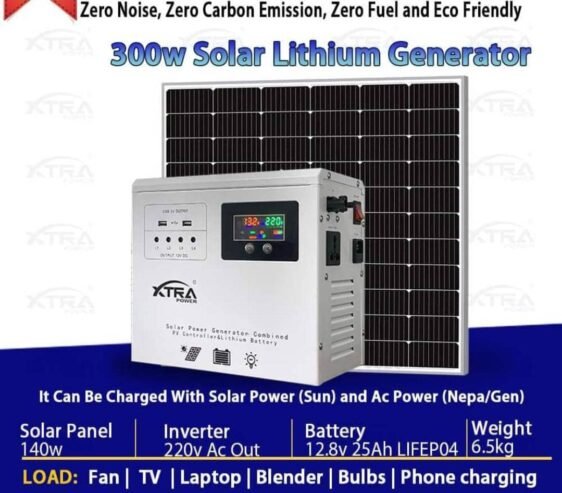
Ready to break free from the grid, even if just for a weekend? Imagine a power source that sips sunshine, hums quietly, and keeps your essentials running, whether you're deep in the wilderness or weathering a storm at home. That's the promise of modern solar generator technology. It’s a remarkable fusion of innovation, bringing together powerful batteries, clever inverters, and efficient solar panels to deliver electricity on demand, wherever you need it.
Forget the noisy, fume-spewing gas generators of old. Today, understanding solar generator technology means delving into a clean, quiet, and increasingly powerful world of portable energy solutions. We'll demystify the core components – the batteries that store your power, the inverters that make it usable, and the panels that harvest the sun's rays – helping you choose the right system for your adventures and emergencies.
At a Glance: Solar Generators in a Nutshell
- What it is: A portable battery storage system recharged by solar panels.
- Primary Use: Backup power during outages, electricity for off-grid activities (camping, RVs, boats).
- Key Components: Solar panels (to generate), a charge controller (to regulate), a battery (to store), and an inverter (to convert power).
- The Power Source: Free, renewable energy from the sun.
- Key Benefits: Clean, quiet, low maintenance, zero emissions.
- Things to Note: Not for whole-home power, higher upfront cost than gas, recharging takes time.
What Exactly is a Solar Generator? Your Go-To for Portable Power
At its heart, a solar generator isn't really a "generator" in the traditional sense, but rather a portable power station that charges its internal battery using solar panels. Think of it as a super-sized, solar-rechargeable power bank, built for more than just your phone. It’s designed to provide electricity far from any outlet, making it indispensable for a variety of situations.
You'll find these compact powerhouses serving as reliable backup when the grid falters, or as your primary energy source for remote campsites, RVs, or even small boats. Unlike large, permanent solar-plus-storage systems installed by electricians for home backup, solar generators are built for mobility. You can simply pick them up, plug them in, and power on.
The Core Trio: Panels, Batteries, & Inverters, Demystified
To truly understand how these systems work, let's break down the essential components that make a solar generator tick. Each part plays a crucial role in converting sunshine into usable electricity for your devices.
Solar Panels: Capturing the Sun's Energy (The DC Producers)
This is where your solar journey begins. Solar panels, typically foldable and portable for generator systems, are made of photovoltaic (PV) cells. These cells capture sunlight and convert it into direct current (DC) electricity. This is the same type of power found in car batteries or small electronics.
For solar generators, you'll often encounter smaller, lower-wattage portable solar panels compared to the large panels you see on rooftops. They’re designed for convenience and efficiency on the go.
The Unsung Hero: Charge Controllers (Keeping Batteries Happy)
Before the DC electricity from your solar panels can reach the battery, it passes through a charge controller. This vital component acts as a gatekeeper and regulator. Its job is to manage the flow of power, preventing overcharging which could damage your battery and optimizing the charging process for maximum efficiency.
You’ll typically find two main types:
- PWM (Pulse Width Modulation) controllers are simpler and more affordable, working by essentially turning the power on and off rapidly to regulate voltage.
- MPPT (Maximum Power Point Tracking) controllers are more advanced. They can "track" the optimal voltage and current at which solar panels can produce maximum power, even in varying light conditions. This makes them significantly more efficient, especially in larger or more complex setups.
The Powerhouse: Batteries (Where Energy Waits)
Once regulated by the charge controller, the DC electricity is stored in the generator's battery pack. This is the heart of your solar generator, determining how much energy you can store and, crucially, how long you can power your devices.
The capacity of a solar generator's battery is measured in Watt-hours (Wh). The higher the Watt-hour rating, the more energy the generator can store. For example, a 1,000 Wh generator can supply 1,000 watts for one hour, or 100 watts for 10 hours.
When it comes to battery chemistry, you’ll largely encounter two types:
- Lithium-ion batteries are the most common and preferred choice for modern solar generators. They offer a superior lifespan, excellent efficiency, and a compact, lightweight design.
- Lead-acid batteries are an older, heavier, and less efficient option, though they can be more budget-friendly. Most high-quality portable solar generators today utilize lithium-ion technology.
A handy feature with many solar generators is the ability to "chain" multiple batteries or expansion packs together. This allows you to increase your total storage capacity as your energy needs grow.
The Translator: Inverters (Making AC Appliances Work)
Here’s where your stored DC power becomes truly versatile. Most household appliances and electronics run on alternating current (AC) electricity – the kind that comes from your wall outlets. Since your solar panels produce DC and your battery stores DC, an inverter is needed to convert that stored DC power into usable AC power.
The quality of the inverter matters significantly:
- Pure sine wave inverters are highly recommended. They produce a clean, smooth waveform of electricity that mimics grid power. This ensures quieter operation, protects sensitive electronics from damage, and allows appliances to run more reliably.
- Modified sine wave inverters are less expensive but produce a "choppier" waveform, which can cause some electronics to malfunction, hum, or even be damaged. For most modern devices, especially those with motors or delicate circuitry, a pure sine wave inverter is essential.
The maximum power an inverter can output at one time is measured in Watts (W). This metric tells you which appliances your generator can run simultaneously. If your refrigerator needs 600W to run, your inverter must be able to supply at least that much.
Speaking the Language of Power: Watts (W) vs. Watt-Hours (Wh)
These two terms are fundamental to choosing and using a solar generator effectively. They might sound similar, but they describe very different aspects of power.
- Watts (W): What something needs right now. Watts measure the instantaneous power draw or output. Think of it like the speed of a car. A device's wattage rating tells you how much power it consumes at any given moment to operate. If your generator has a 1,500W inverter, it means it can power devices that collectively draw up to 1,500W at once.
- Watt-hours (Wh): How much total energy is stored. Watt-hours measure the total amount of energy a battery can store or provide over time. Think of it like the size of a car's fuel tank. A 1,000 Wh battery can supply 1,000 watts for one hour, or 100 watts for 10 hours.
To illustrate, consider a 100-watt TV. - Your generator’s Wattage (W) rating needs to be at least 100W (plus whatever else you plan to plug in simultaneously).
- Your generator’s Watt-hours (Wh) rating determines how long that 100W TV can run. A 1,000 Wh generator could power the TV for approximately 10 hours (1,000 Wh / 100 W = 10 hours).
Understanding this distinction is critical for matching a solar generator to your actual power needs.
Why Consider a Solar Generator? The Bright Side of Portable Power
The appeal of solar generators goes beyond just their tech specs. They offer a host of practical advantages that make them a compelling choice for many users:
- Free Energy from the Sun: Once you own the panels, the "fuel" is absolutely free and limitless. You're harnessing a clean, renewable resource that won't run out.
- Low Maintenance Costs: With no moving parts (like an engine), no oil changes, and no liquid fuel to manage, solar generators require significantly less maintenance than their fossil-fuel counterparts. This translates to fewer repair needs and lower long-term costs.
- Clean and Quiet Operation: Perhaps one of the biggest benefits. Solar generators produce zero emissions, meaning no exhaust fumes to worry about, whether you're using them indoors (with proper ventilation for the unit itself) or in a confined space like an RV. They also operate almost silently, a stark contrast to the noisy roar of a gasoline generator, allowing you to enjoy peace and quiet while still having power.
The Realities: What Solar Generators Aren't Designed For
While solar generators are fantastic tools, it’s important to have realistic expectations about their capabilities. They aren't a one-size-fits-all solution for every power need.
- Limited Power Supply: Solar generators are primarily designed for smaller-scale power needs. They are excellent for recharging devices, running lights, a mini-fridge, or a few essential appliances. However, they are generally not powerful enough to run an entire house, multiple major appliances (like a central AC unit, electric stove, or clothes dryer), or even a large refrigerator for extended periods.
- Higher Upfront Cost: Compared to a fossil fuel generator of similar instantaneous power output, solar generators typically have a higher initial purchase price. However, this is often offset by the lack of ongoing fuel costs and significantly lower maintenance.
- Slow Recharging: Unlike the instant refueling of a gas generator, solar generators rely on daylight to recharge. The speed of recharging depends on the wattage of your solar panels, the intensity of the sun, and the generator's battery capacity. Recharging a large generator can take many hours, or even days, of optimal sunlight, which can be a drawback during extended outages or cloudy weather.
A Glimpse at the Market: Popular Solar Generators & Their Superpowers
The market for solar generators is booming, with a wide range of options catering to different needs and budgets. Prices for capable units generally range from $1,000 to $5,000, with smaller models available for a few hundred dollars and high-capacity systems pushing past $5,000.
Here's a look at some common players and what they're good for:
Entry-Level & Essential:
- Jackery Explorer 1500: Often around $1000, this unit is a popular choice for essential devices during camping trips or short power outages. It’s perfect for keeping phones, laptops, and a portable cooler running.
Mid-Range Versatility:
- Goal Zero Yeti 1500X: Offers good storage capacity, making it suitable for recharging multiple devices and running a few appliances like a small TV or a medical device. It's a robust option for extended outdoor stays.
- BLUETTI AC200P 2000Wh/2000W Portable Solar Power Station: This powerhouse offers a 2,000 W output, capable of powering larger appliances such as a refrigerator or even a window air conditioner for some time. It's an excellent choice for a short-term emergency backup.
Heavy-Duty & Whole-Home Capable (Sort Of):
- EF Ecoflow Delta Max (2000): A favorite for RV enthusiasts and for more substantial blackout coverage. It boasts impressive charging speeds and can handle many appliances. While it offers a comparatively shorter battery life cycle than some competitors, EcoFlow backs it with a 24-month warranty.
- Renogy Lycan 5000 Power Box: An all-in-one, sturdy system with numerous AC and DC ports. It’s designed to power over ten devices, making it a serious contender for blackouts or even partial home powering, though it comes at a higher cost.
If you're looking for more specific recommendations, our comprehensive guide on the best solar power generators dives deeper into the top models on the market today.
DIY Solar Power: Building Your Own System
For the hands-on enthusiast, building your own solar generator system is also a viable option. Instead of purchasing an all-in-one unit, you can source the individual components separately. This often involves selecting:
- Portable Solar Panels: Choose smaller, lower-wattage panels that fit your space and charging needs.
- Batteries: You’ll need a deep-cycle battery, commonly lithium-ion or lead-acid. Lithium-ion is generally preferred for its longevity and performance.
- Charge Controller: Crucial for protecting your battery from overcharging.
- Inverter: To convert the battery's DC power to AC for your appliances.
- Wiring and Enclosure: To safely connect everything and house it in a protective, portable container.
While a DIY approach offers customization and can sometimes be more cost-effective for specific setups, it requires a good understanding of electrical systems and safety protocols.
Solar Generators vs. Home Solar Battery Systems: Knowing the Difference Matters
It’s easy to confuse solar generators with home solar battery systems, but they serve fundamentally different purposes:
- Solar Generators: These are designed to be portable. They are for smaller-scale use, providing power for specific devices or activities away from the grid. They require no permanent installation and are user-friendly.
- Home Solar Battery Systems: These are permanently installed by electricians, typically integrated with a rooftop or ground-mounted solar array. They are designed for whole-home backup, storing excess solar energy and providing significant power to your entire house during outages.
A fascinating innovation blurring these lines slightly is Generac's PWRgenerator, launched in 2022. It's a unique product designed to recharge Generac's PWRcell home solar batteries directly, even without sun, offering an alternative to traditional grid charging. This highlights the ongoing evolution in renewable energy solutions.
Elevating Your Energy Security: Integrating Solar Generators with Home Solar Batteries
While distinct, combining the capabilities of solar generators with larger home solar battery systems creates a truly robust and sustainable energy ecosystem. A solar generator provides flexible, on-the-go power, while a home battery system ensures comprehensive backup and daily energy management for your entire property.
Integrating these technologies allows you to maximize your energy independence and resilience.
The Synergistic Benefits:
- Continuous Energy Storage: Your home solar batteries store excess energy generated during the day, ensuring power availability at night, during cloudy weather, or during peak demand times. Your portable generator can then be an extra layer of power, or for smaller loads, without drawing from the main house battery.
- Maximizing Efficiency: No more wasting surplus solar energy. Both systems work in concert to capture and store every available ray, ensuring you get the most out of your solar investment.
- Enhanced Energy Independence: Reduce your reliance on the fickle electrical grid significantly. With combined systems, you have a multi-layered approach to backup power, giving you peace of mind during extended outages.
- Potential Cost Savings: By using stored solar power during peak utility rates, you can significantly reduce your electricity bills. Some regions also offer net metering, where you can sell excess power back to the grid.
- Environmental Benefits: By maximizing your use of zero-emission renewable energy, you're substantially reducing your carbon footprint, contributing to a healthier planet.
- Unparalleled Energy Security: Whether it's a grid failure, natural disaster, or just a routine blackout, this combined approach guarantees power for your essentials and beyond.
- Scalability for All Needs: This integrated approach can be customized for both residential and commercial needs, growing with your energy demands.
Your Burning Questions About Solar Generators, Answered
Let’s tackle some of the most common questions people have when considering a solar generator:
Can a solar generator power a refrigerator?
Yes, many larger solar generators can power a refrigerator, which typically draws between 400-800W when its compressor is running. For instance, generators like the EcoFlow Delta Max (with up to 3000W output) are well-suited for this task, though the duration depends on the generator's Watt-hour capacity and the fridge's efficiency.
What can a 2000 Watt solar generator power?
A 2000-watt solar generator offers substantial power. It can comfortably run larger appliances such as a refrigerator, freezer, microwave, coffee maker, power tools, or even a window air conditioner for short periods. This makes them ideal for significant emergency backup or powering multiple devices simultaneously at a campsite.
How long can solar generator batteries store power?
The lifespan of stored power in a solar generator's battery depends on its chemistry. Lithium-ion batteries, which are prevalent in most modern generators, can typically hold a charge for 2-3 years without significant degradation, assuming they are stored in optimal conditions (e.g., partially charged, not fully depleted or fully charged). Always check the manufacturer's recommendations for long-term storage.
How much do solar generators cost?
The cost of solar generators varies widely based on their power output (Watts) and energy storage capacity (Watt-hours). Smaller, less powerful units suitable for charging phones and laptops might start around $300. Mid-range units for camping and essential home backup often fall into the $1,000 to $3,000 range. High-capacity, robust systems capable of powering multiple major appliances can exceed $5,000.
Powering Your Path Forward: Making the Right Solar Choice
Solar generators represent a significant leap forward in portable, clean energy. They offer an invaluable solution for anyone seeking independence from the grid, whether it's for weekend adventures or as a critical backup during unforeseen outages. Their portability, quiet operation, and reliance on free solar energy make them incredibly appealing.
However, it’s crucial to match the technology to your needs. For charging small appliances, keeping lights on during camping trips, powering an RV, or having a reliable source for boating, solar generators are an ideal, easy-to-operate choice. They offer convenience and peace of mind without the complexities of installation.
But for property owners seeking a robust, whole-home energy solution – a system that can reliably power an entire household through extended blackouts and significantly reduce utility bills – a permanently installed rooftop or ground-mounted solar system paired with a home solar battery remains the most comprehensive and recommended solution. Understanding the distinctions between these powerful technologies empowers you to make the most informed decision for your energy future.